New Speakers, Worse Sound: The Science and Skepticism Behind Audio Break-In
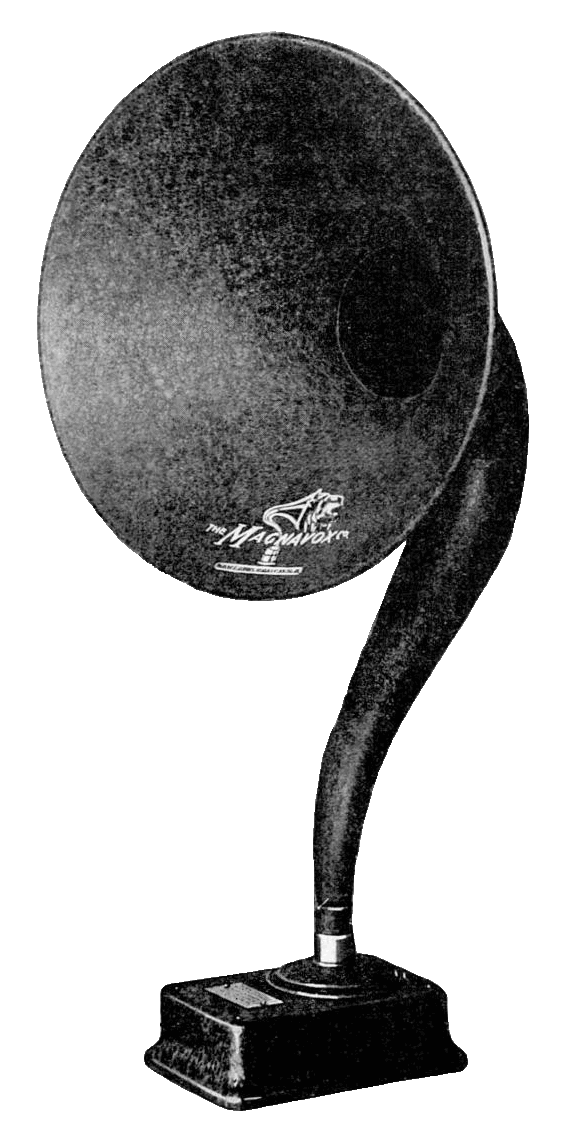
Photo: Unknown authorUnknown author, Public domain, via Wikimedia Commons
There is a particular disappointment that arrives without warning. You have researched your purchase for weeks, perhaps months. You have read the measurements, absorbed the forum discussions, and watched the unboxing videos. Then the speakers arrive, you connect them to your system — and the sound is not what you expected. It is harder, brighter, less open than the reviews suggested. Something is wrong.
The most common explanation offered in audiophile circles is deceptively simple: the speakers need to break in. Give them fifty hours, a hundred hours, maybe more, and they will settle into the sound you were promised. It is advice passed between enthusiasts with the confidence of established fact. But how much of it is physics, and how much of it is patience disguised as science?
What Is Actually Happening Inside a New Speaker
To evaluate the break-in argument honestly, it helps to understand what a speaker driver is made of and how those materials behave under mechanical stress.
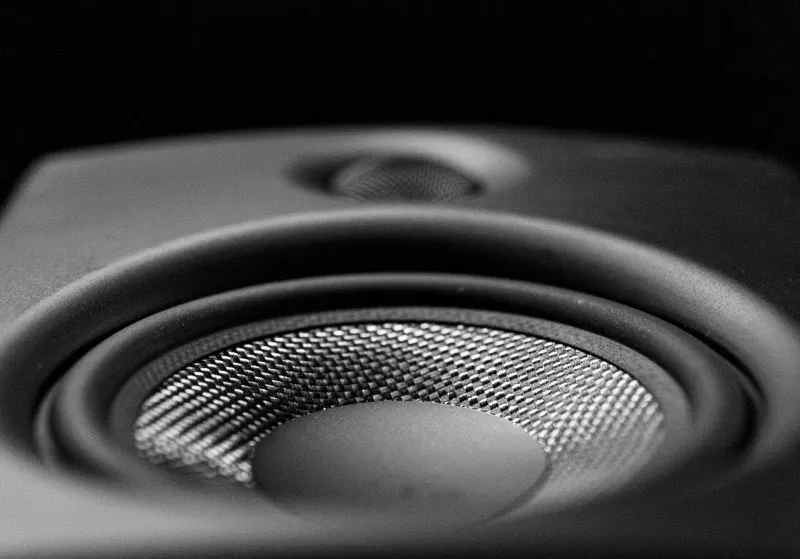
The surround — the flexible ring connecting the outer edge of the cone to the basket — is typically fabricated from rubber, foam, or a treated fabric compound. The spider, a corrugated component that centers the voice coil within the magnetic gap, is usually made from a woven synthetic material. Both components are designed to flex repeatedly and return to a neutral position, thousands of times per second during normal playback.
When a driver leaves the factory, these materials have never been subjected to sustained mechanical cycling. The surround and spider may exhibit what engineers describe as stiffness compliance — a resistance to movement that is slightly higher than it will be after extended use. As the driver is played, the polymers in the surround and the woven fibers in the spider relax incrementally. The suspension becomes more compliant, which allows the cone to travel more freely within its designed range of motion.
This is not mythology. It is measurable. Manufacturers who publish Thiele-Small parameters — the technical specifications describing how a driver behaves — will sometimes note that these figures are taken after a break-in period precisely because the measurements shift during the initial hours of operation. The resonant frequency of a driver, known as Fs, can drop noticeably as the suspension loosens. A stiffer suspension produces a higher Fs, which can affect bass extension and overall tonal balance in ways that are audible, particularly in the low frequencies.
The Numbers Are Real — But So Is the Ambiguity
Accepting that physical changes occur does not automatically validate every break-in claim circulating in audiophile culture. The degree of change, the duration required, and the perceptibility of those changes vary enormously depending on driver design, materials, and manufacturing tolerances.
Some drivers — particularly those with very stiff surrounds or spiders designed for high excursion — may exhibit meaningful compliance changes over the first twenty to forty hours of use. Others, especially well-manufactured units from quality-controlled production environments, may arrive so close to their settled state that the difference is negligible under blind listening conditions.
This is where the conversation becomes genuinely complicated. Audiophile forums are filled with accounts of dramatic transformations: speakers described as harsh and fatiguing on day one that allegedly became smooth and refined by week three. These accounts are sincere. They are also almost entirely uncontrolled. The listener knows the speakers are new. The listener expects improvement. The listener is present for every hour of the process, becoming simultaneously more familiar with the sound and more invested in a positive outcome.
Psychoacoustic research is unambiguous on this point. Human auditory perception is extraordinarily susceptible to expectation, context, and familiarity. A sound that is unfamiliar registers as uncomfortable. A sound heard repeatedly becomes normalized. This process — sometimes called perceptual adaptation — can produce subjective impressions of improvement that have nothing to do with the equipment changing and everything to do with the listener adjusting.
Designing a More Honest Listening Evaluation
If you are committed to understanding whether your new speakers are genuinely changing or whether you are simply acclimating to them, the methodology matters considerably.
The most useful approach involves establishing a reference recording within the first hour of ownership — ideally something you know intimately — and noting specific, concrete observations rather than general impressions. Not "the sound feels tight" but "the upper bass around 150 Hz sounds congested compared to my reference system" or "the high-hat on this track has an edge that I don't hear on my reference headphones."
Return to that same recording at intervals over the following weeks without reviewing your earlier notes beforehand. Write down new observations independently, then compare. If you are documenting genuine changes, they should appear in your notes as specific shifts in the same frequency regions or dynamic behaviors you identified initially. If your notes simply become more positive in tone without identifying discrete changes, that is worth considering carefully.
This is not a perfect methodology — no home listening evaluation is — but it introduces a degree of discipline that separates genuine sonic documentation from the gradual softening of critical attention that familiarity tends to produce.
The Accelerated Break-In Debate
A subset of the break-in community advocates for accelerated conditioning: playing pink noise, sweeps, or bass-heavy music at elevated volumes to hasten the process. The mechanical logic is plausible — more excursion cycles in less time should, in theory, accomplish the same compliance relaxation as extended normal listening.
The concern is that aggressive break-in protocols can stress driver components beyond their intended operating range, particularly if the speaker is played hard before the suspension has loosened sufficiently to allow safe cone travel. Manufacturers who acknowledge the break-in phenomenon typically recommend moderate, sustained playback rather than high-volume conditioning sessions. That guidance is worth respecting.
What This Means for the Practical Audiophile
The honest answer to the break-in question is that both phenomena are real and both operate simultaneously. Speaker drivers do change physically during initial use, and those changes can be audible, particularly in the bass and lower midrange. The listener also changes — adapting, familiarizing, and adjusting expectations over the same period.
Disentangling the two in a home listening environment, without controlled measurement tools, is genuinely difficult. This does not make the experience less valid. It does mean that sweeping pronouncements — "these speakers transformed completely after one hundred hours" — should be held with some critical distance, both by the person making them and by anyone tempted to act on them as purchasing advice.
If your new speakers sound wrong on day one, give them time and moderate use before drawing conclusions. Keep notes. Return to reference recordings. If specific problems persist after several weeks of regular listening — a persistent harshness, a congested midrange, a bass response that never opens up — those are equipment characteristics, not temporary conditions waiting to resolve themselves.
The break-in period is real. It is also, in the audiophile imagination, frequently longer and more dramatic than the physics strictly require. Knowing the difference between the two is part of developing the critical listening discipline that separates informed enthusiasm from expensive self-deception.